Nazaré, Summer 1970
I moved my backpack and broken heart into Alfredo and Maria’s lovely apartment. Their daughter, Carolina, 5, didn’t react when her mom said she would share Miguel’s room insisting I needed my own space. I told her she’d be my special little sister and could teach me Portuguese. I pulled out colourful posters from my pack and promised we would paint and colour them even brighter. She grabbed my hands and danced around her room.
Luis and I spent long afternoons playing cards at the cafe on the square and when the concrete piazza radiated too much mid-day heat, we’d head to the ocean and body surf massive waves that slammed us back onto the beach. It felt natural, responding to Luis’s affection as we were both inconsolable in our grief after Rui’s death. Our friendship grew into a relationship we both welcomed. Lazily rolling over onto the warm sand, to even out my tan, I spotted a vendor with our favourite decadent afternoon snack.
"Ola! Aqui Senhor!"
I grabbed my beach bag, pulling out a few escudos to buy two farturas, the most delicious, cinnamon fattening donut in the world. Luis loved to wash down the sweet sugary snack with an icy cold beer. I preferred a Coke.
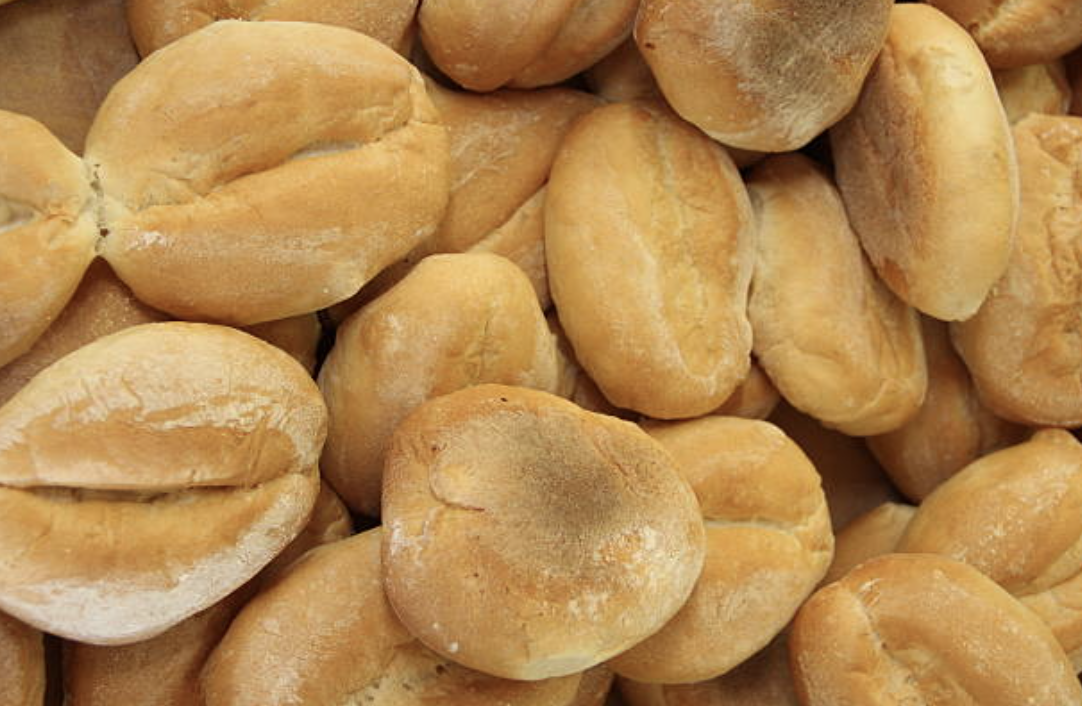
"If I don’t stop eating these beach donuts and Carlos’s warm buttery buns, my name will change to Fatjoanna. I’ll no longer be known as Littlejoanne,"
I laughed, licking the sugar off my fingers. We’d leave the beach, brushing off the fine sand that covered our bodies, craving a cool shower. Navigating the busy square, we’d find ourselves on the quiet residential street where Luis rented a loft, an open attic space. Climbing up four long flights of stairs we’d arrive at our love-nest.
"Making love in the afternoon with Joanna, up in my bedroom...."
Luis sang Simon and Garfunkel’s ‘Cecilia,' replacing her name with mine. I always reminded him that in the song, Cecilia had numerous lovers, but I was a "one-man woman."
The summer weeks flowed with a pleasant routine. I’d grown close to Maria, and the kids, Miguel and Carolina. Since Rui’s death I’d slept at Alfredo and Maria’s almost every night, enjoying a few hours with the kids in the morning. Miguel was my personal language teacher, using his two-year-old’s simple words and phrases. He loved when I repeated his words, often saying the same sentence over and over until he was certain I’d learned it. Carolina would tease us as we stumbled with our vocabulary. Their spacious three-bedroom apartment was above Alfredo’s garage. He rarely worked in the place, as he had dependable staff to repair the cars and to pump the gas. A senior woman, dressed head to toe in black, stooped over, with a grey moustache on her upper lip, lived in a tiny room at the back of the apartment. I assumed she was a servant as she worked from sunrise to sunset, doing the cleaning, cooking, laundry, handling the kids non-stop all day. When Maria informed me she was Alfredo’s mom I was shocked.
"But, she never sits down, ever! And she never eats with us,"
I added.
"She waits on us like a paid servant."
"She loves to be busy,"
Maria explained.
"She feels useful and I could not manage without her."
Making an effort to get to know Fatima, I would help her chop, stir and fry in the small kitchen. She loved my visits and would chat with me, convinced I understood her every word. I learned how to create all the dishes I loved, that summer. Rabbit roasted in port wine and garlic was a favourite, as well as her fresh fish recipe. She rubbed lemon, garlic and herbs on the delicate sweet fish, and steamed it in the oven with tiny Joannina potatoes. Her cabbage soup would simmer all day on the stove. Served with fresh Portuguese buns it was delicious. Then there was the chicken. Oh! The chicken! The herbs, the olive oil, the wine, and the garlic. No one prepared chicken like Alfredo’s mom. One day, I told Maria that we needed to head to the market to select a nice fat chicken for dinner. I assumed the chicken would be chopped up into pieces ready for the roasting pot. Nope—not by a long shot. We did pick out a lovely chubby chicken but she was alive and kicking as the vendor placed her, legs bound, into a burlap bag. Grandma placed the wriggling bag on the balcony floor and the two kids hollered with laughter as the burlap bag danced around the balcony. I knew what was coming and could not bear to watch as Fatima pulled the bird out and in one quick flash of her hands, wrung the poor thing’s neck. The laughter piqued my curiosity and I looked through the door at the dead bird still wobbling around like a drunken sailor, her neck wrung. I was okay with the plucking. Wielding the knife to cut the carcass up was not a problem. I just could not do the killing. That evening, I presented Grandma’s famous recipe that I had carefully prepared. Garlic, lemon roasted chicken nestled on a bed of rice, surrounded by peppers, capers, and zucchini. Grandma was proud of me. I was proud too.
Maria was a special friend. She worked full-time as an elementary school teacher, was a wonderful mom and a patient wife. But, Alfredo was horrible to her. I’d caught him cheating with several tourists, and when I confronted him about his sexual appetite he acted like it was, nothing.
"They come to Nazaré for two-week vacations, looking for sun and sex,"
he informed me.
"I’m just helping them enjoy their vacations."
"You’re disgusting!"
I spat out.
One day, I hinted to Maria that her husband might be sleeping around and I could tell by her sad eyes that she knew. I was shocked. Even though she did not ask for my advice, I blurted out,
"He’s a bastard, Maria. You deserve better. Leave him."
I knew in Portugal divorce was not acceptable, thanks to the powerful, controlling Catholic church. Cheating husbands were all too common. Alfredo would boast to the staff at Digo Eu about his adventures in bed, especially with the Swedish women.
"I’m sick and tired of hearing you brag. You’re married to the most beautiful woman in town, Alfredo. You should try screwing bolts on the wheels at your garage, instead of screwing tourists all afternoon."
I let him know I was disappointed in his behaviour. I reminded him that his wife was not only beautiful but had her teaching career.
"She could throw you out tomorrow and live happily ever after,"
I’d threaten. It made me very uncomfortable when he’d return to the bar after escorting an attractive Swedish tourist to her hotel. I was certain these women had no idea that he was married and had two adorable kids. It made me sick that he would sleep with them and then hours later, sleep with his wife. I could not understand why Maria tolerated such behaviour. Other than my boss’s indiscretions, my job at Digo Eu was perfect. I recognized the regular customers and was thrilled that many of them knew my songs by name and would request their favourites. After months of practising every day, I had to admit I was improving and had gained confidence and poise. The crowd liked my folk numbers as much as the traditional Fado pieces that Michael and Paulo played. Between my sets, I’d chat with the tourists and recommend the top restaurants in town as well as the best beach areas for surfing. Just as Rui had predicted, I’d fallen in love with Nazaré, encouraging tourists to explore all that the area offered.
One evening, after I finished my last set, a well-dressed gentleman handed me his business card. He asked me to join his friends at their table, and using a few English words, mingled with Portuguese, I understood he wanted me to come to a recording studio in Lisbon and do a recording test. When Luis joined us, I begged him to translate all the technical words that I did not understand.
"This is a great offer,"
Luis explained.
"You have nothing to lose, it will cost you nothing, and for your time, you’ll have a professionally recorded tape of a few of your songs. If all goes well, you could end up with a recording contract in Lisbon. Sr. Chaves will send your tape to several agents he works with. Like I said, you have nothing to lose."
I was flattered. Thanking Sr. Chaves profusely, we set up the following Monday for a test taping. Luis was invited and I could tell he was almost as excited as I was. We often hitchhiked into Lisbon on our days off. The city was big and bustling, full of ancient buildings, cobblestone streets, and excellent bars and cafes. Luis was at home in Lisbon as he was a student at the university and knew the best hangouts in town. We’d meet up with his friends, party hard, drink too much, stay up all night, returning to Nazaré exhausted, vowing to behave ourselves the next time we hitched into Lisbon.
This trip was completely different. Carrying my guitar, we located the small studio and rang a bell on the intercom. We were buzzed in and climbed several flights of stairs to the studio. I had no idea what to expect and was surprised at the size of the recording room—like a small closet, a large glass window at one end overlooked the control room. The walls were padded with thick felt and I felt uncomfortable in the stuffy space. The instructions were simple: put on the headphones, sit on the stool, kiss the mic, in other words, keep the mic almost against my mouth, don’t breathe, or do it silently, and sing. It was not easy. It was hot. I couldn’t get the hang of not breathing and having the mic in my face didn’t help the mood of the love songs I was singing. The headphones were annoying and my voice didn’t sound as clear, confident or as strong, in that studio. Luis was sitting in the control room mesmerized by all the buttons and gadgets the technician operated. He was certainly having a lot more fun than I was. Finally, I was allowed out of the uncomfortable space. I packed up my guitar and the tech guy handed me a copy of the cassette tape of my voice. I wasn’t sure if the afternoon had been worth the effort but Luis assured me I’d love the tape, and suggested I make copies to send to my family in Canada.
"You never know, Joanne, you might become a famous Portuguese singer, and I’ll have to ask for your autograph,"
he teased. I was exhausted and said to Luis,
"Would you mind if we returned to Nazaré? I’m craving the beach, a quiet dinner on the square, and an early night. I’m happy to take the bus back if you’d rather stay overnight. It’s always longer by bus but relaxing. I’ll probably sleep the whole way home."
He wasn’t at all upset by this and said,
"Sure you don’t mind taking the bus? I’d like to stay another day because I need to rearrange my courses for September. I’ve picked out most of my third year but might switch a couple of classes to lighten the load so I can work part-time. My mom’s been generous but I’ve got to find work through the drama department to supplement my finances."
Luis was in his third year of a drama degree and had acted professionally for several semesters. His high marks secured partial scholarships every year, but he still needed to pay for his apartment and have fun money.
"I’ll take the bus and see you tomorrow at work."
"Let me walk you to the bus station."
I gave him a big hug of thanks.
The return to Nazaré by bus was always interesting. The locals, the camaraderie of the passengers, and the scenery between the seaside towns was worth taking the much longer route than the main highway. The bus would maneuver off the main circuit onto small roads that linked fishing villages dotting the west coast. Every village had a central square surrounded by merchants eager to sell their wares to the passengers. Food, ice cream, cold beer, fried fish, and kitchen gadgets were hawked up and down the aisles. Chubby women sauntered gracefully through the bus, enticing us with items for sale. At one stop, an elderly woman lugged a beautifully finished bedspread up the aisle. Large red roses contrasted with a black and yellow background. She caught my eye and knew she had a customer. She stopped mid-step, shocked that I could barter with her in Portuguese. The passengers were fascinated that this young tourist could not only speak their language quite well, but knew how to drive a bargain. I held firm on my price and knew when the driver honked his horn several times, preparing for departure, the blanket was mine. She looked as pleased as I was with the deal as I counted out the escudos into her hand. The whole bus applauded as she waved goodbye.
"Graças, Senhora! É simplesmente lindo!"
I yelled out my open window to her as the bus pulled away, folding my "simply gorgeous" blanket onto my lap. I had absolutely no idea how I was going to get it back to Canada, but I’d worry about that later.
I marvelled at how the months had flown by since leaving Canada. The rocking motion of the bus lulled me into a meditative state as I watched the rural landscape unfold from my window. I had experienced so much joy and sadness—and learned much about the world and myself. I reflected on my three European boyfriends, Jürgen in Switzerland, Rui and Luis in Portugal. Three totally different guys; three experiences that had profoundly changed and matured me. I often thought about Rui and how naive I’d been in believing he would be faithful to me. A beautiful memory surfaced of one afternoon, not long after Rui’s death, when I was sitting in a doorway with several widows draped in their black cloaks, practising my Portuguese, and enjoying their relaxed camaraderie. Rui’s favourite widow slipped her cape over my shoulders. It was a generous, compassionate gesture, indicating these Nazaré women felt my loss. In many ways, I was a young widow among them. I gave her a long hug and returned the cape, knowing I would never wear such a heavy hot item and she could never understand the many ways that my heart was broken.
The feelings I had for Luis were completely different from my other lovers. What we shared was a more mature love. Yet I knew in my heart I’d never stay in Portugal—I was too independent as a young woman and could never mould myself to the expected subservient role Portuguese men expected of their women. Luis was certain his generation would change the chauvinistic attitude. I wouldn’t be surprised if it took several generations. Portuguese men ruled, and openly abused their women. Occasionally, I slept overnight in Luis’s loft. We’d saunter by the bakery, after working at the bar, grab two buns slathered in butter, and head downhill to his place. One night, he decided to participate in a late poker game. Kissing me goodbye at the apartment entrance, he headed to the square to play cards. I climbed the four flights of dimly lit stairs. The street door was always unlocked. Each floor had a locked door, from the stair landing, into the hallway, except for the top floor which was an open loft in the attic space of the building. We never left any valuables in the loft. If someone wanted to snoop, they could access the fourth floor. I don’t know how long I’d been sleeping but I do remember abruptly waking up to a disgusting smell of liquor, tobacco, and foul body odour of a stranger looming over me. His filthy hand over my mouth prevented me from screaming. Time stopped. The violence persisted for only minutes but I knew the nightmare would last a lifetime.
Luis found me curled up in the farthest corner of the loft still trembling, in shock. There was no need for words. He gathered me into his arms and his tears, his sobs, matched the intensity of my own. I will never forget his comforting actions. In that moment, I began to heal with his empathy. I will always remember what he said.
"Joanne, you will never be defined by that rape. You are much, much more than that assault."
Over time I realized he was right. Although I was far from the comfort of my Canadian family, I drew strength from both Luis and Maria—she took a few days off work to be with me. Maria was a generous, wonderful friend. We talked and talked about life, how every incident, every action, and choice impacts us forever. She helped me understand why charges would never be laid, my rapist would never be caught, tried, or punished. She gave me resilience and courage. The next time I climbed the stairs to the loft was difficult. Luis surprised me by moving the furniture into a new arrangement. The sheets, pillows, and duvet were new, borrowed from his mom, smelling like fresh spring flowers. I welcomed his embrace. His tender lovemaking would help erase the horror.
By the end of September, we were spending weekdays in Lisbon and weekends in Nazaré. Luis went back to university and I found myself wandering the streets of Lisbon for hours, contemplating leaving Portugal. Lisbon was not where I wanted to live. Nazaré would always be "my" Portugal.
Luis was not surprised when I bought an airline ticket to Canada. He could sense I was not happy in Lisbon. The added expense of living in a big city was draining my travel account. Working in Canada for a few months would allow me to continue travelling.
"You have studies and I have the world to explore. We’ll never forget this summer or each other,"
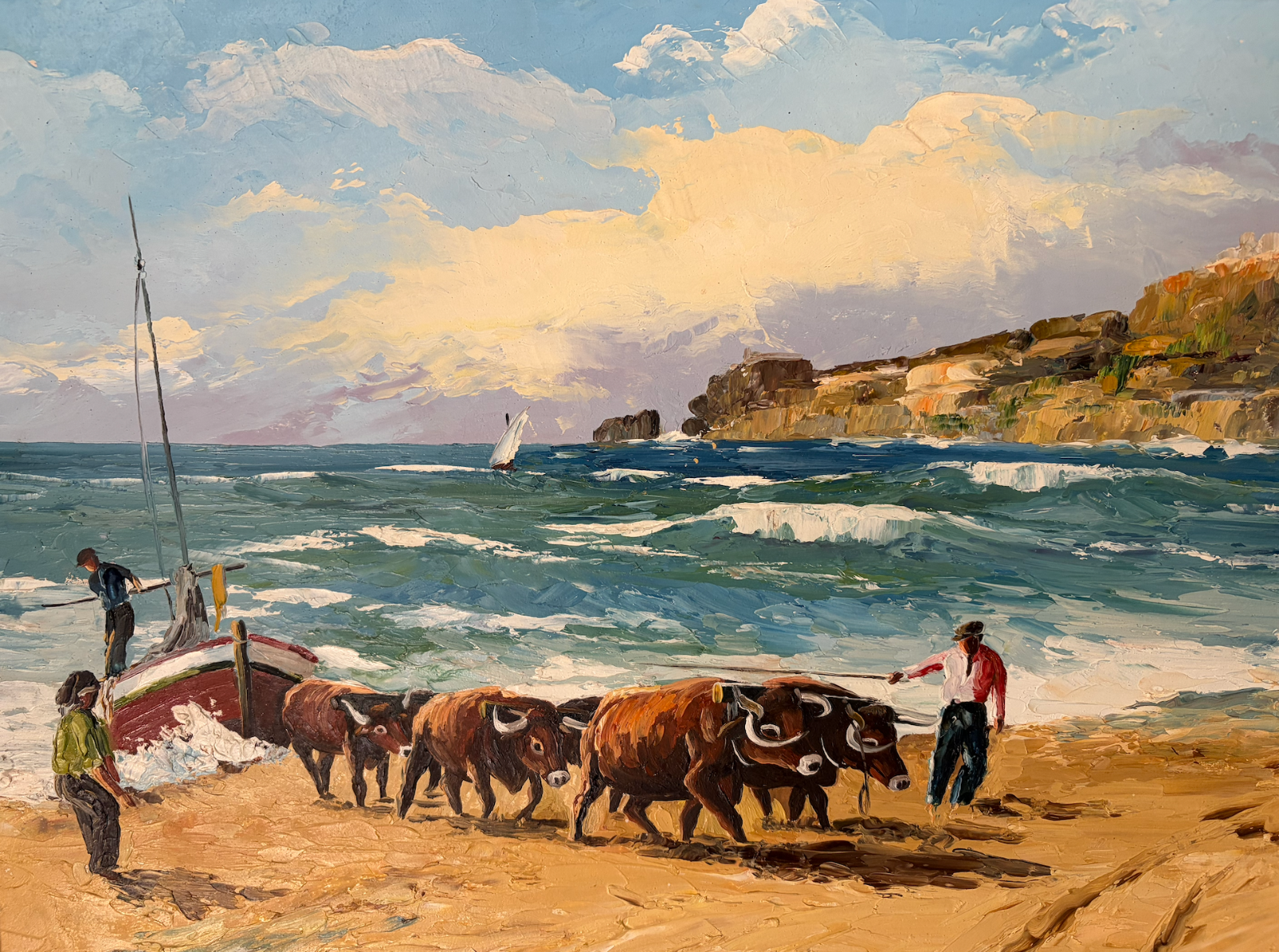
I promised. Saying goodbye to Carlos, the local baker, was difficult. We were like father and daughter, laughing and teasing each other. His bear hugs were as warm and comforting as his fresh bread. Entering the bakery in the afternoon on one of my last days, I found him on a step stool taking the huge fishing net down off the wall. These nets were works of art, crocheted by the village men. Hours and hours went into creating even the smallest net. Sitting together on the beach, they hooked and repaired their nets. The friendship between the fishermen of Nazaré was as strong as the friendship between their wives. Folding the net into an awkward lumpy square, that would easily fill a large suitcase, Carlos handed me the bundle.
"The smell of the sea will bring you back. This souvenir of your Portuguese home will ensure that you will never forget us."
I held the net close to my face inhaling deeply the smell of the ocean mixed with the aroma of the bakery. My eyes overflowed with tears. I would never forget my lovers, my friends and my family. Nor would I forget the terror and pain I had experienced. Nazaré had given me many gifts. It would take me a lifetime to open them all.
Nazaré had given me many gifts.